Inside the Dismantling Process: How Auto Parts Are Recycled
When a vehicle reaches the end of its life, many people imagine it simply being crushed and forgotten. In reality, most vehicles still contain a wide range of parts that can be reused safely and effectively. Automotive recycling is a structured process that focuses on recovery, safety and environmental responsibility rather than waste.
Behind every recycled auto part is a methodical dismantling process carried out by trained professionals. From initial assessment through to testing and resale, each step is designed to maximise reuse while minimising environmental impact. This approach supports drivers by keeping parts accessible and affordable, while also reducing the demand for new manufacturing.
This guide takes you behind the scenes of
vehicle dismantling and explains how
auto parts in Dubbo are carefully processed before they’re returned to the road.
Every dismantling job starts with a vehicle assessment, not a spanner.
Before any tools are picked up, the vehicle goes through an intake and assessment process. This stage confirms the vehicle’s identity, condition and suitability for dismantling. Paperwork is checked, and the vehicle is inspected to identify which components are likely to be reusable.
This planning step helps recyclers decide how the dismantling process will unfold. Vehicles with intact drivetrains or undamaged body panels are handled differently from those that have suffered major mechanical or structural failure. By mapping the dismantling approach early, technicians reduce handling time and protect valuable components from unnecessary damage.
A structured assessment ensures efficiency and consistency. It also sets the foundation for safe work practices and reliable parts recovery further along the process.
Fluids and hazardous materials are removed before parts come off.
Vehicle dismantling always begins with making the car safe to work on. That means removing fluids and hazardous materials before any major components are removed. This step protects workers and prevents contamination.
Fluids and materials commonly removed include:
- engine oil and transmission fluid
- coolant and brake fluid
- fuel from tanks and lines
- refrigerants from air conditioning systems
These substances are collected and disposed of or recycled through approved channels. Handling fluids correctly is a key part of responsible auto recycling. It reduces environmental risk and ensures the dismantling area remains safe and compliant throughout the process.
High-demand parts are removed first to protect their condition.
Once the vehicle is safe, technicians begin removing parts that are most likely to be reused. This is done carefully to avoid damage and preserve functionality.
Engines, gearboxes, differentials, body panels and interior components are often prioritised. Removing these parts early reduces exposure to weather, impacts or unnecessary movement. Technicians use proper lifting equipment and techniques to prevent stress on mounts, housings and connectors.
This step-by-step approach ensures that reusable parts remain in the best possible condition. It also improves efficiency by focusing effort where it delivers the greatest benefit, turning end-of-life vehicles into a source of quality components rather than scrap alone.
Testing separates reusable components from scrap.
Not every part removed from a vehicle is suitable for reuse. That’s where testing and inspection come in. Components are checked to confirm they meet safety and performance expectations before being offered for resale.
Testing may involve:
- visual inspection for wear or damage
- mechanical checks on moving parts
- electrical testing of sensors and modules
- verification of compatibility and condition
Parts that don’t meet standards are set aside for recycling rather than resale. This quality control step helps ensure recycled auto parts are dependable. It also builds confidence for drivers choosing recycled components for repairs or maintenance.
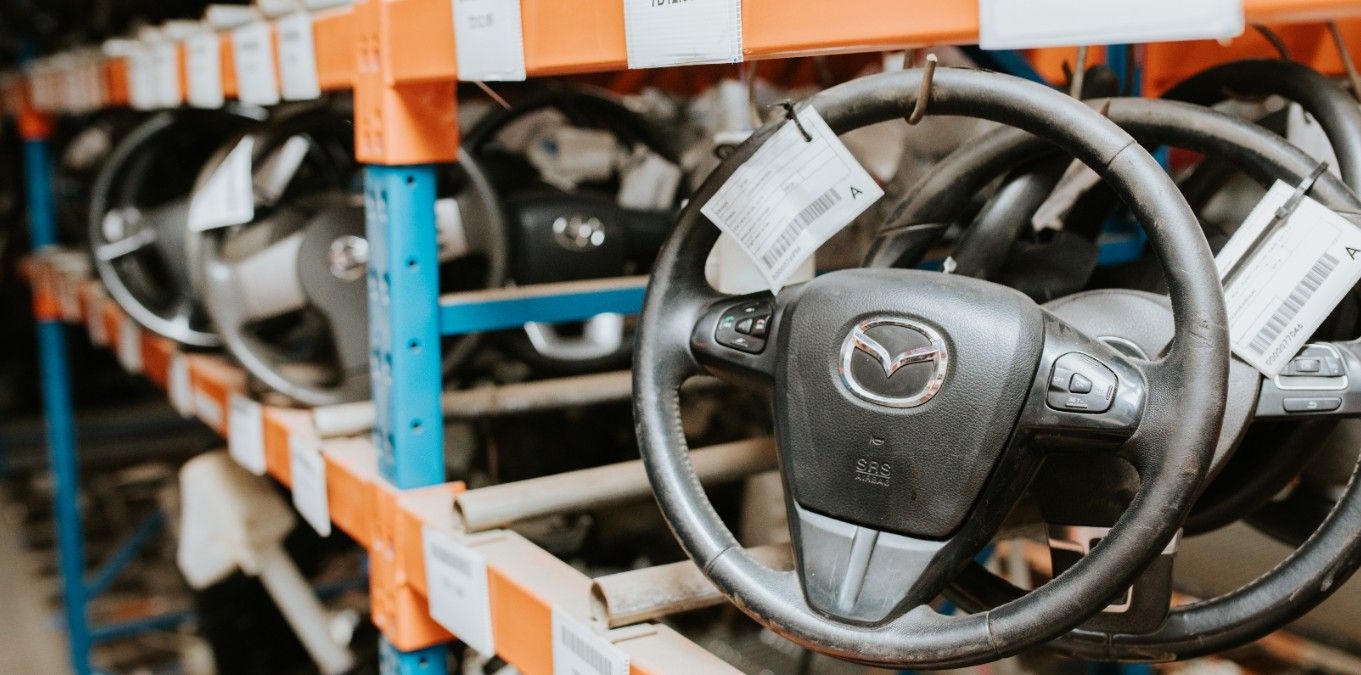
Cleaning and cataloguing turn used parts into sale-ready stock.
Once parts pass inspection, they’re cleaned and prepared for storage. Dirt, grease and residue are removed so components can be assessed accurately and handled safely. Clean parts are easier to identify, store and install later.
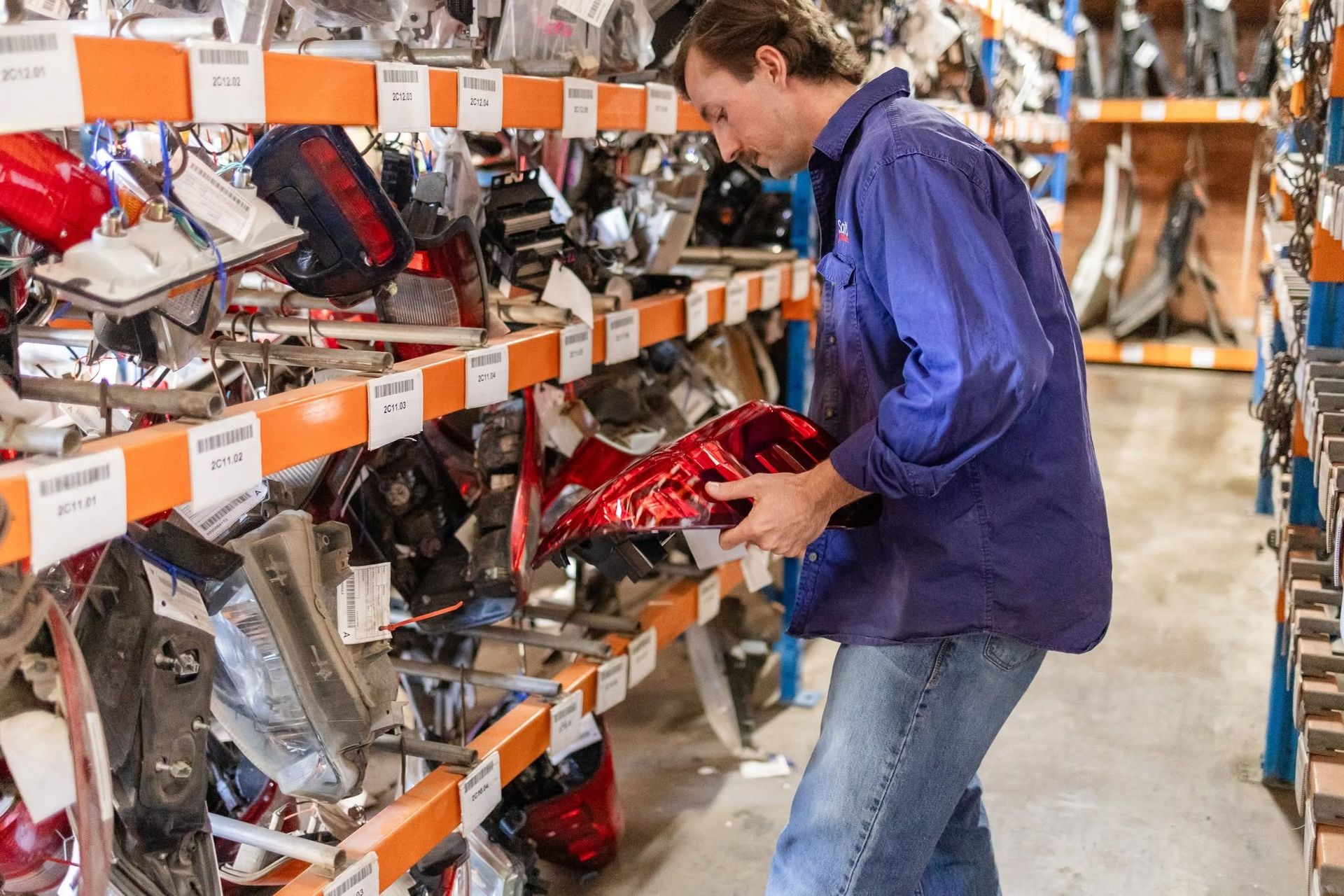
Each component is then catalogued with relevant details such as vehicle make, model and condition. Inventory systems track availability and location, which allows recyclers to respond quickly to enquiries.
This stage transforms dismantled components into organised stock rather than loose parts. Proper cataloguing helps ensure the right part reaches the right vehicle, reducing returns and improving the overall experience for customers.
What can’t be reused is still recycled responsibly.
Parts that can’t be reused still have value. Metals, plastics and other materials are separated and sent through appropriate recycling streams. This process reduces landfill waste and supports material recovery.
Common recycling streams include:
- steel and aluminium components
- copper wiring and electrical materials
- plastics from trims and housings
- glass from windows and mirrors
By separating materials correctly, recyclers ensure resources are reused rather than discarded. This responsible handling plays a significant role in reducing the environmental footprint of vehicle disposal.
Recycled parts help keep repair costs realistic for drivers.
Recycled auto parts provide a practical alternative to new components, especially for older vehicles or models where new parts may be costly or difficult to source. They help extend the life of vehicles without compromising safety when sourced responsibly.
Drivers benefit from greater choice and more manageable repair costs. At the same time, reusing parts reduces the demand for new manufacturing, which lowers energy use and raw material extraction.
Choosing recycled parts supports both affordability and sustainability. It’s a solution that benefits vehicle owners while contributing to more efficient use of existing resources.
Professional dismantling protects safety, quality and the environment.
Automotive recycling is a skilled trade that relies on training, procedures and compliance. Professional dismantlers follow clear standards to protect workers, customers and the environment.
Key elements of professional dismantling include:
- trained staff using proper equipment
- controlled handling of hazardous materials
- consistent testing and quality checks
- accurate inventory management
- compliance with environmental regulations
These practices ensure recycled auto parts are safe, reliable and responsibly sourced. They also reinforce trust in the recycling process as a whole.
Vehicle dismantling in Dubbo plays an important role in reducing waste and keeping quality auto parts available for local drivers. At Scott’s 4WD Parts Plus, we dismantle vehicles professionally, recover reusable components and recycle materials responsibly to support both affordability and sustainability. If you’re looking for recycled auto parts or need advice on vehicle dismantling, visit
https://www.scottsdubbo.com/ or
contact our team to see how we can help.