How To Avoid Buying Incompatible Parts For Your Vehicle In Dubbo
Buying a part that doesn't fit your vehicle is one of the most common and costly mistakes a driver can make. The most reliable way to avoid incompatible auto parts in Dubbo is to confirm your vehicle's exact identity, using the VIN and manufacturer specifications, before you spend a cent. This guide explains why compatibility matters, where buyers most often go wrong and the checks that will save you time, money and frustration.
Why Does Part Compatibility Matter So Much?
A vehicle is an engineered system, not a collection of interchangeable pieces. Every component is designed to work within precise tolerances, so a part that is even slightly wrong can affect how the whole system performs.
An incompatible part can cause more than an inconvenient return trip. Depending on the component, it can compromise braking performance, place strain on the engine or transmission, trigger warning lights or fail prematurely and damage the parts around it. Fitting the wrong part can also create warranty and insurance complications if it contributes to a fault or an accident.
How Do Make, Model, Engine & Build Year Affect Compatibility?
Two vehicles that look identical in the driveway can be very different under the skin. Manufacturers regularly change components mid-generation, which means the same model sold across different years, or even different months, may use different parts.
The details that most often determine whether a part will fit include:
- Make, model & variant (a base model and a top-spec variant often differ)
- Engine type & capacity, including petrol, diesel and turbocharged versions
- Build date, which can differ from the compliance or registration date
- Transmission type, drivetrain & braking configuration
- Factory options such as towing packs or upgraded suspension
Here's an example. A Dubbo ute owner orders an alternator for a 2016 model online. Their vehicle was built in late 2015, just before a running change to the charging system, so the part arrives, looks right and doesn't fit. A quick VIN check would have caught the difference before the order was placed.
Why Isn't Visual Similarity Enough?
Judging a part by its appearance is one of the fastest ways to buy the wrong one. Many components share the same general shape and mounting style across different vehicles, yet differ in connector types, internal specifications, thread sizes or electronic calibration.
This is especially true for sensors, control modules, alternators, starter motors and suspension components. Two parts can look like twins on a shelf and behave completely differently once installed. Photographs in online listings make this problem worse, as lighting and angles hide the small details that matter.
How Do You Use a VIN to Identify the Right Part?
Your vehicle identification number (VIN) is a 17-character code unique to your vehicle. It records where and when the vehicle was built, along with its engine, variant and specification details. It is the single most accurate reference for matching replacement parts.
You'll usually find the VIN in one of these places:
- On the compliance or build plate in the engine bay or door jamb
- At the base of the windscreen on the driver's side
- On your registration papers & insurance documents
When you contact a parts supplier, provide the VIN along with a description of the part you need. A knowledgeable supplier can use it to cross-reference manufacturer part numbers and confirm compatibility before anything is ordered or shipped.
What Should You Check Before Buying a Replacement Part?
According to industry best practice, a few minutes of checking prevents most compatibility problems. Before committing to a purchase, work through these steps:
- Record your VIN and build date, not just the model year.
- Note the exact part number from the old component where possible.
- Confirm your engine code, transmission type and drivetrain.
- Ask the supplier to verify fitment against your VIN.
- Check the warranty and return terms before paying.
If any detail is uncertain, pause and confirm it. Guessing at a specification is how returns, freight costs and repeat downtime begin.
What Are the Risks of Buying the Wrong Part in a Regional Area?
For drivers around Dubbo and the wider Central West, an incompatible part carries a heavier cost than it might in a capital city. Many residents depend on their vehicle daily for work, school runs, farm operations and long-distance travel, and there is often no easy alternative while a car sits in the workshop.
An incorrect online purchase can mean waiting days for return freight and a replacement to arrive, paying twice for shipping and rebooking a workshop slot that was already hard to secure. For fleet managers and workshop owners, that lost uptime multiplies across every affected vehicle and every rescheduled job.
How Do Local Suppliers Help You Get the Right Auto Parts in Dubbo?
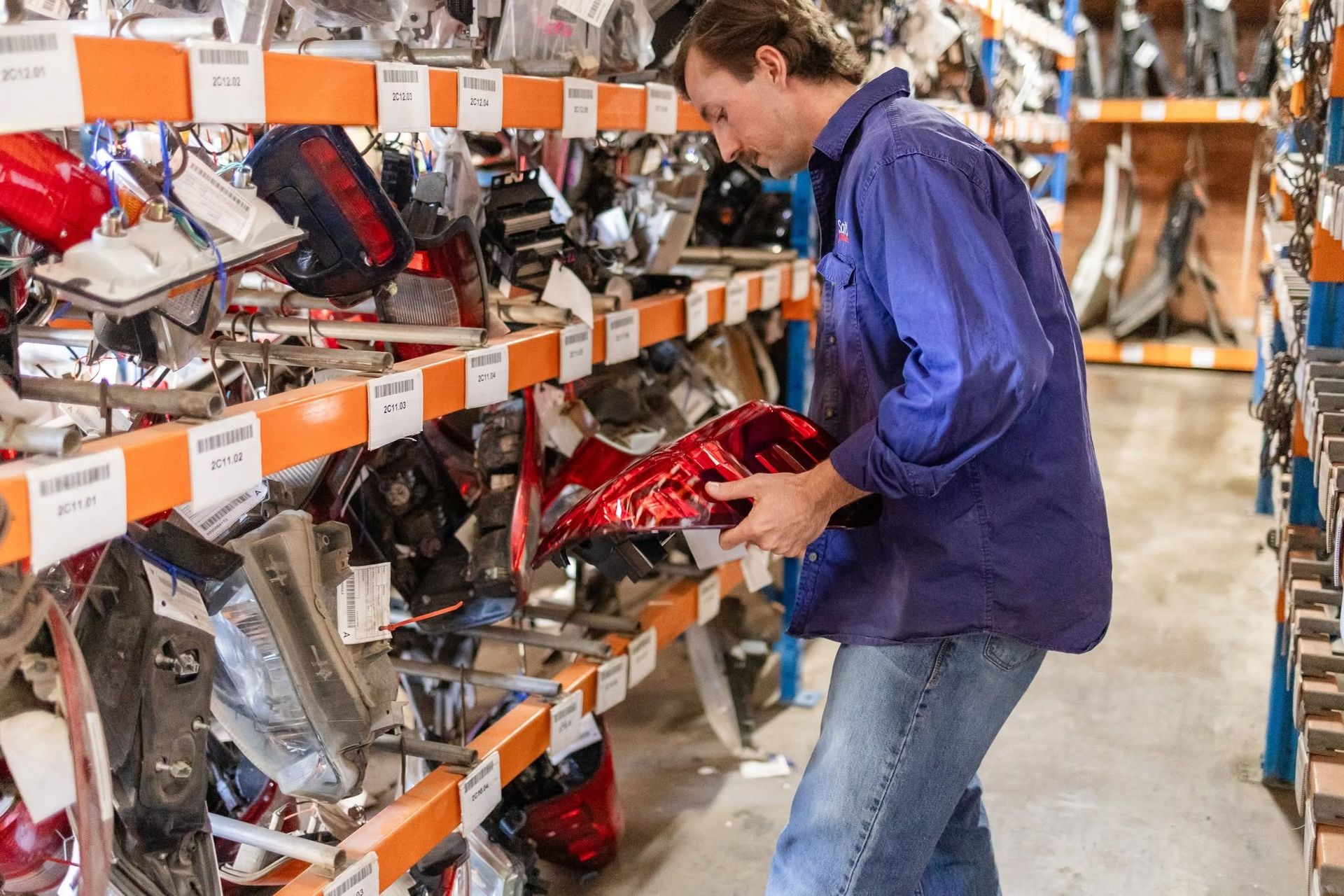
A local supplier adds a layer of verification that generic online listings can't match. Experienced parts interpreters work with vehicle identification every day, so they know where mid-year changes occur, which variants share components and which ones only appear to.
Buying locally also means the part can be physically checked against your requirements, collected in person or shipped quickly, and backed by a warranty from a business you can actually visit. If something isn't right, the conversation happens across a counter rather than through an overseas returns portal. Local mechanics benefit too, as accurate first-time supply keeps their schedules moving and their customers on the road.
Are Recycled & Reconditioned Parts Checked for Compatibility?
Quality recycled and reconditioned parts go through the same identification process as new ones, and reputable recyclers catalogue components against the donor vehicle's exact build details. That means a recycled engine, transmission or panel can be matched to your VIN with the same accuracy as a new part, often at a significantly lower price.
Inspection and testing are the other half of the equation. Certified auto parts recyclers assess each component before sale, so buyers get a part that both fits and functions. For older vehicles where new parts are discontinued, recycled components are frequently the only practical option, which makes accurate matching even more important.
We at Scott's 4WD Parts Plus help drivers, workshops and fleet operators find the right
auto parts in Dubbo the first time, drawing on more than 75 years of experience and over a million recycled, reconditioned and new parts in stock for 4WDs, Utes, SUVs and commercial vehicles. As Australia's first Certified Auto Parts Recycler, we match every part against your vehicle's details and back our range with
warranty options, because out here, long distances and busy schedules leave little room for the wrong part.
Contact our team today or
search our inventory online to get the right part at the right price.
FAQs
What happens if I fit an incompatible part to my vehicle?
Consequences range from poor performance and warning lights to damage to surrounding components. In some cases it can affect safety systems or create warranty and insurance complications. Remove any incorrect part promptly and source the right replacement.
Where do I find my VIN?
Check the compliance plate in the engine bay or door jamb, the base of the windscreen on the driver's side or your registration papers. It's a 17-character code unique to your vehicle.
Why does the build date matter more than the model year?
Manufacturers introduce running changes throughout a production year, so two vehicles sold as the same model year can use different components. The build date pinpoints exactly which specification your vehicle left the factory with.
Are recycled auto parts reliable?
Yes, when sourced from a certified recycler. Quality recycled parts are catalogued against the donor vehicle's build details, then inspected and tested before sale, with warranty options available on many components.
Can a supplier check compatibility for me?
Absolutely. Provide your VIN and a description of the part you need, and an experienced parts interpreter can cross-reference manufacturer specifications to confirm fitment before you buy.