How To Tell If A Reconditioned Part Is Worth Buying
Buying replacement parts for your vehicle can quickly become expensive, which is why many vehicle owners consider reconditioned options. When sourced correctly, these parts can provide a practical and cost-effective solution without compromising reliability. However, not all reconditioned parts are equal, and knowing what to look for is essential before making a purchase. When searching for auto parts Dubbo drivers can benefit from understanding how to assess quality, helping you avoid unnecessary risk and make a more informed decision.
What Reconditioned Parts Actually Are
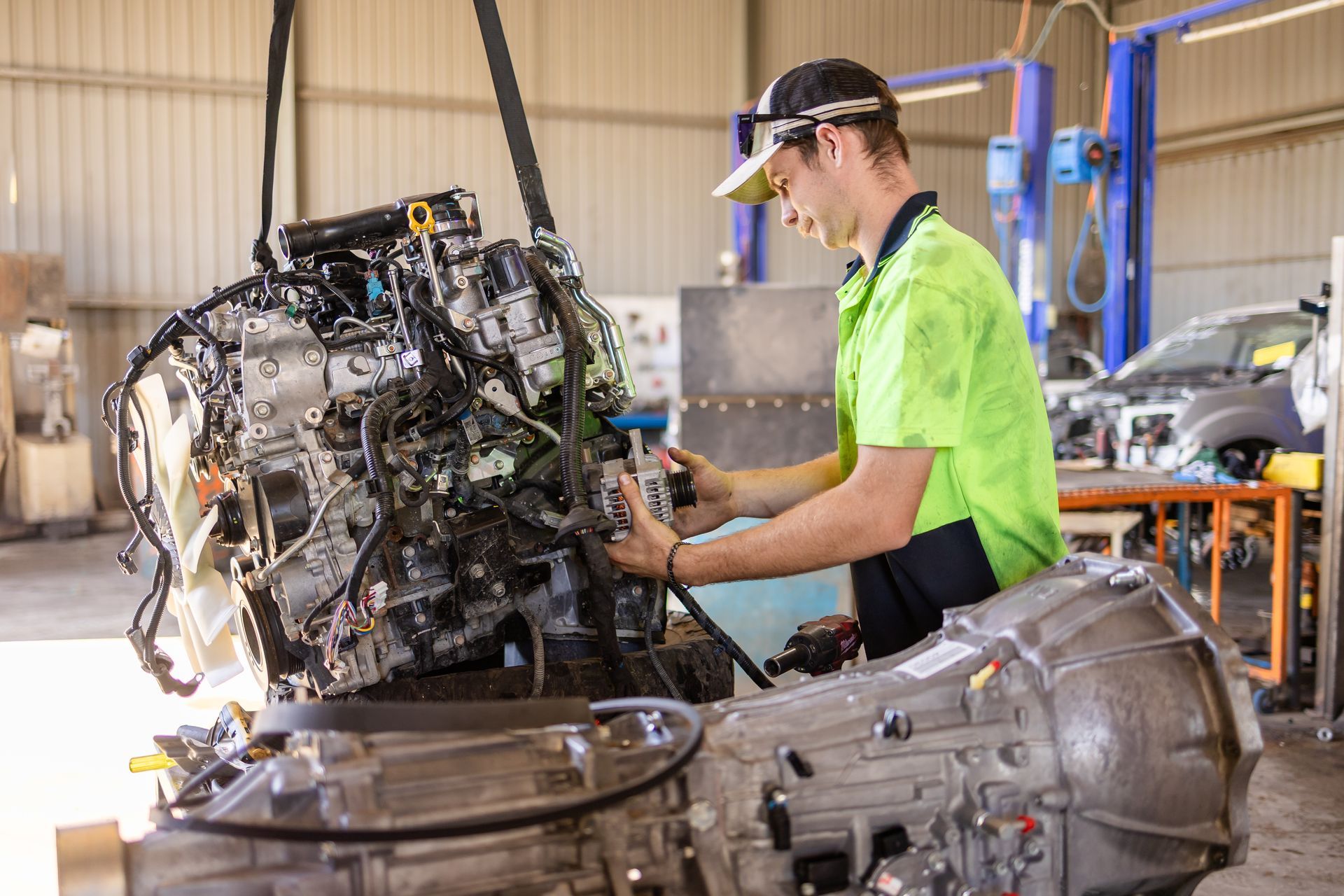
Reconditioned parts are components that have been restored to working condition after previous use. Unlike used parts sold as is, these components have typically undergone inspection, cleaning and repair.
- Components are tested to ensure functionality
- Worn elements may be replaced or repaired
- Parts are cleaned and restored before resale
- Performance is checked before being offered for sale
Understanding this process helps you distinguish between genuine reconditioned parts and standard second-hand components.
Why Reconditioned Parts Can Be A Practical Option
Reconditioned parts offer several advantages when compared to brand new replacements, particularly for older or less common vehicles.
- Lower cost compared to new parts
- Availability for discontinued or hard-to-find components
- Reduced environmental impact through reuse
- Reliable performance when properly restored
For many vehicle owners, these benefits make reconditioned parts a sensible option when sourced from a trusted supplier.
Inspecting The Condition Before You Buy
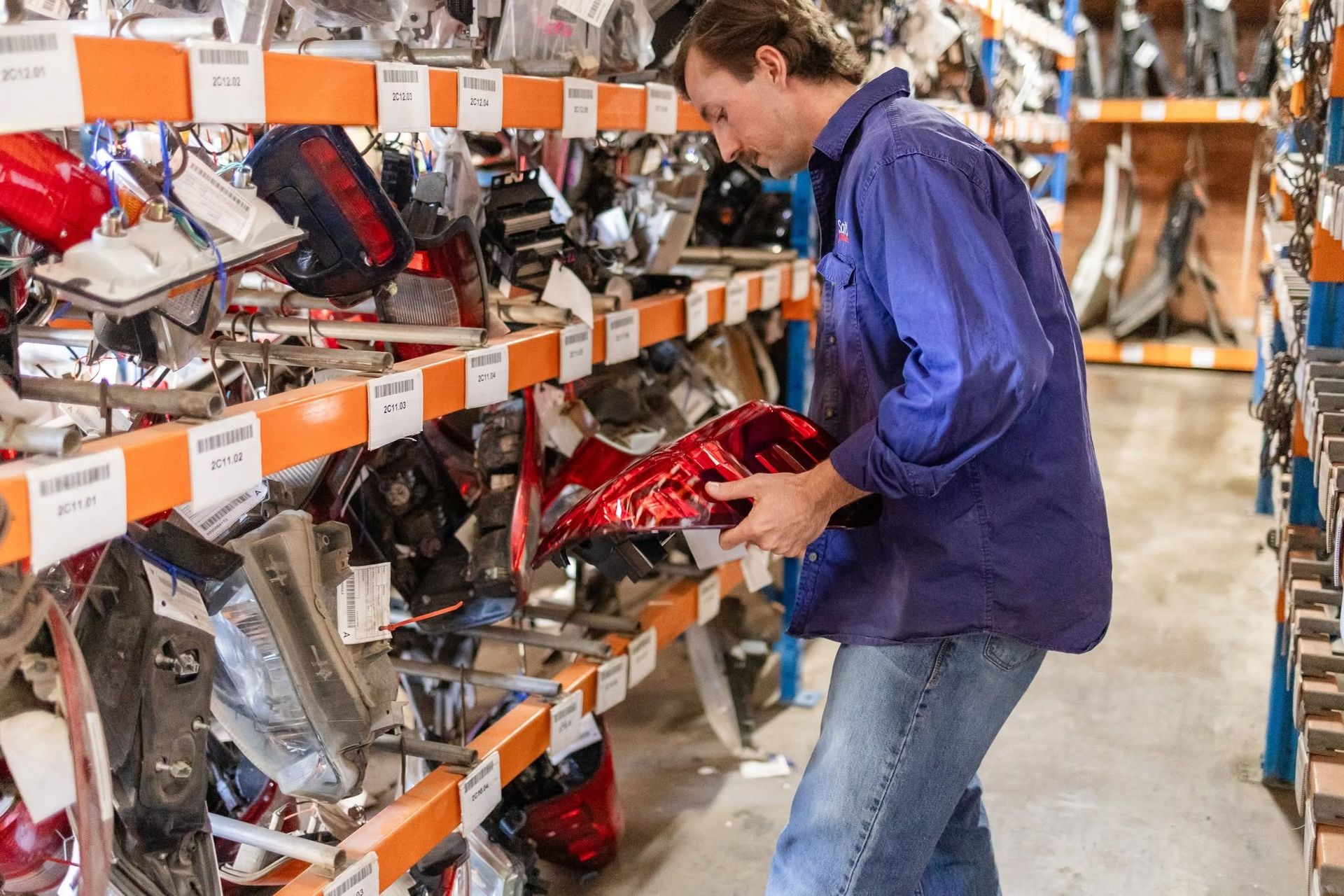
One of the most important steps is assessing the physical condition of the part. Even reconditioned items should show signs of careful restoration and proper handling.
- Check for visible damage, cracks or excessive wear
- Look for clean surfaces and well-maintained components
- Ensure moving parts operate smoothly
- Confirm that fittings and connections are intact
A properly reconditioned part should present as clean, functional and ready for installation.
Understanding Testing And Quality Checks
Reliable suppliers carry out testing to confirm that parts perform as expected. This is a key factor in determining whether a part is worth buying.
- Electrical components should be tested for function
- Mechanical parts should be checked for performance
- Pressure or load testing may be applied where relevant
- Results should be consistent with expected standards
Testing provides reassurance that the part will function correctly once installed.
The Importance Of Certifications And Standards
While not all parts require formal certification, reputable suppliers follow clear standards when reconditioning components.
- Compliance with industry practices for restoration
- Use of appropriate tools and replacement components
- Adherence to safety requirements where applicable
- Consistent quality control processes
These practices help ensure that reconditioned parts meet acceptable performance and safety expectations.
Warranty And Return Policies Matter
A trustworthy supplier will stand behind the parts they sell. Warranty and return options are strong indicators of confidence in product quality.
- Availability of a warranty period
- Clear return or exchange policies
- Support in case of faults or issues
- Transparency around terms and conditions
These factors reduce risk and provide peace of mind when purchasing reconditioned parts.
Spotting The Difference Between Trusted And Risky Suppliers
Not all sellers operate to the same standard, so knowing how to identify a reliable supplier is essential.
- Established reputation within the industry
- Clear communication about part condition and history
- Willingness to answer questions about the product
- Consistent quality across available stock
Choosing a reputable provider of auto parts in Dubbo helps ensure you receive parts that have been properly prepared and tested.
Asking The Right Questions Before Purchasing
Taking the time to ask questions can reveal important information about the part and the supplier.
- Has the part been fully reconditioned or partially repaired
- What testing has been completed
- Is there any history available for the part
- What warranty or support is provided
These questions help you make a more informed decision and avoid potential issues after installation.
Balancing Cost With Long-Term Value
While price is often a key factor, it should not be the only consideration. A cheaper part may not always provide the best outcome.
- Consider how long the part is expected to last
- Compare the cost of replacement versus reliability
- Factor in installation time and potential rework
- Look at overall value rather than upfront savings
A well-reconditioned part can provide better long-term value than a low-cost option that fails prematurely.
Choosing Quality Parts With Confidence
When looking for reliable auto parts Dubbo drivers can rely on Scott's 4WD Parts Plus for carefully sourced reconditioned components. We understand that vehicle owners want parts they can trust, which is why we focus on quality, inspection and practical support.
Making the right choice when buying reconditioned parts comes down to understanding quality, asking the right questions and working with reliable suppliers. With the right approach, these parts can offer a practical and dependable solution for keeping your vehicle running smoothly.
Taking the time to evaluate each part properly helps reduce the risk of unexpected issues and ensures better overall performance. By focusing on condition, testing and supplier reputation, you can purchase reconditioned parts with greater confidence.
It is also important to recognise that reconditioned parts can vary depending on how they have been restored. Some components may undergo a full rebuild, while others are serviced only in key areas. Understanding the level of work completed can help you determine whether the part is suitable for your needs.
Vehicle compatibility is another factor to consider. Even high-quality parts must match your vehicle specifications to perform correctly. Confirming compatibility before purchase helps avoid installation issues and ensures the part functions as intended.
For vehicle owners comparing options, it is helpful to think about how the part will be used. Components that experience higher levels of stress or wear may require more thorough inspection and testing before purchase. Taking this into account helps you choose parts that align with your vehicle’s requirements.
By combining careful inspection, clear communication and a focus on quality, you can make more confident decisions when purchasing reconditioned components. A structured approach reduces uncertainty and helps ensure your vehicle continues to operate reliably over time.