Warning Signs It’s Time To Replace Your Car Parts: A Dubbo Driver’s Guide
Grinding brakes, loose or unpredictable steering, severe vibration and damaged tyres are warning signs you shouldn’t ignore. Other symptoms — such as a mild suspension clunk, rough idle or gradual drop in fuel economy — may give you more time to investigate, but they still deserve attention before they develop into a breakdown.
For drivers looking for Auto Parts Dubbo, the useful first step is identifying what the vehicle is telling you. Once you can match the noise, vibration or handling change to a likely component, you can work out how urgent the repair is and what replacement options make sense.
Quick Verdict — Which Car Noises And Symptoms Mean “Replace It Now”?
A new noise doesn't automatically mean a major component has failed. The same symptom can have several causes, so diagnosis matters before ordering parts.
As a practical starting point:
| What you notice | Possible components | How urgently should you act? |
|---|---|---|
| Grinding when braking | Brake pads, rotors or caliper components | Urgent — have the brakes checked before continuing normal driving |
| Steering suddenly feels loose or unpredictable | Tie rod ends, steering or suspension components | Urgent — avoid driving until checked |
| Tyre has exposed cords, major damage or rapid pressure loss | Tyre/wheel | Stop driving |
| Droning or humming that rises with road speed | Wheel bearing or tyre | Inspect promptly |
| Clunk over bumps | Bushes, shocks, mounts, sway-bar components | Inspect soon; urgency depends on severity |
| Excessive bouncing or body roll | Shock absorbers, springs or bushes | Inspect soon |
| Vibration while driving | Tyres, wheels, bearings, CV joints or driveline | Inspect promptly, especially if severe or worsening |
| Rough idle or hard starting | Spark plugs, ignition coils, filters, battery or fuel/air-related components | Diagnose soon; don't replace parts by guesswork |
The key is change. If your ute has always had a little driveline noise, that is different from a new vibration that appeared yesterday and is getting worse.
Scott’s 4WD Parts Plus deals with new, recycled and reconditioned components for everyday vehicles, 4WDs, utes and commercial vehicles. That parts experience matters because symptoms rarely arrive neatly labelled with the name of the failed component.
What Does A Grinding Or Squealing Noise When Braking Actually Mean?
A high-pitched squeal during braking can indicate worn brake pads, although contamination, surface condition and other brake issues can also create noise. Grinding is more concerning because it can mean the friction material has worn far enough for metal components to contact each other.
That can turn a relatively straightforward pad replacement into a job involving brake rotors and potentially other components.
Don't judge brakes by sound alone. Other warning signs include:
- a brake pedal that feels different from normal
- vibration or pulsation during braking
- the vehicle pulling noticeably under braking
- reduced braking performance
- visible scoring or damage to the rotors.
Brake components also need to work evenly across an axle. If one side has failed or worn badly, the condition of the corresponding components on the other side should be checked rather than simply replacing the noisy part in isolation. If you hear grinding or braking performance has changed noticeably, treat it as a safety issue rather than something to monitor for another few weeks.
Clunks, Bounce And Body Roll: When Does Suspension Need Replacing?
A clunk over a pothole or driveway can come from several places. Common possibilities include control-arm bushes, sway-bar bushes or links, shock absorber mounts and other suspension joints. Worn shock absorbers often produce different symptoms. Instead of one obvious noise, the vehicle may keep bouncing after a bump, feel floaty on uneven roads, dive excessively under braking or develop more body roll through corners. Springs matter too. Coil or leaf springs can sag or become unsuitable for the load they're carrying, particularly on working utes and 4WDs carrying tools, canopies, towing equipment or other permanent weight.
A suspension inspection should therefore look at the system rather than one isolated part. Replacing a worn bush may solve a specific clunk, while tired shocks or sagging springs require a different approach. If you're deciding between simply restoring the original setup and upgrading your suspension, consider how the vehicle is actually used. A standard replacement can make sense for normal loads, while a ute that regularly carries substantial equipment may need components better matched to its workload.
Humming, Vibration Or Pulling — Is It Bearings, Bushes Or Tyres?
A droning or humming noise that becomes more noticeable as road speed rises can point towards a wheel bearing, but tyres can create remarkably similar noises. That's why buying a bearing based on sound alone isn't a good diagnostic strategy. A worn bearing may also develop play or roughness. Tyres can produce vibration and noise through uneven wear, damage, incorrect pressure or wheel-balance issues. Pulling is similarly broad. Possible causes include tyre pressure or wear, wheel alignment, worn steering or suspension components and, in some cases, a brake issue.
Vibration can lead you towards another group of components. Depending on when it occurs — accelerating, braking, turning or cruising — potential causes can include wheels and tyres, bearings, CV joints, engine or gearbox mounts and driveline components. The timing of the symptom provides useful information. Note the speed at which it begins, whether steering changes it, whether braking makes it worse and whether you feel it through the steering wheel, seat or floor. Most of these symptoms trace back to
the parts replaced most often on working vehicles. The difference is that recognising the symptom first helps you avoid replacing a perfectly serviceable component.
Rough Idle, Poor Fuel Use And Hard Starting: Which Parts Should You Check First?
A rough-running engine doesn't automatically need an expensive repair. In many vehicles, relatively ordinary service components can cause noticeable changes in starting, idle quality and fuel consumption. Air filters are a logical place to inspect, particularly in dusty conditions. Spark plugs and ignition coils can contribute to misfires or rough running, while fuel delivery and fuel-filter issues may also affect performance depending on the vehicle.
Hard starting brings the battery and charging system into the picture as well. A weak battery, charging fault or failing alternator can create starting problems that have nothing to do with fuel or ignition components.
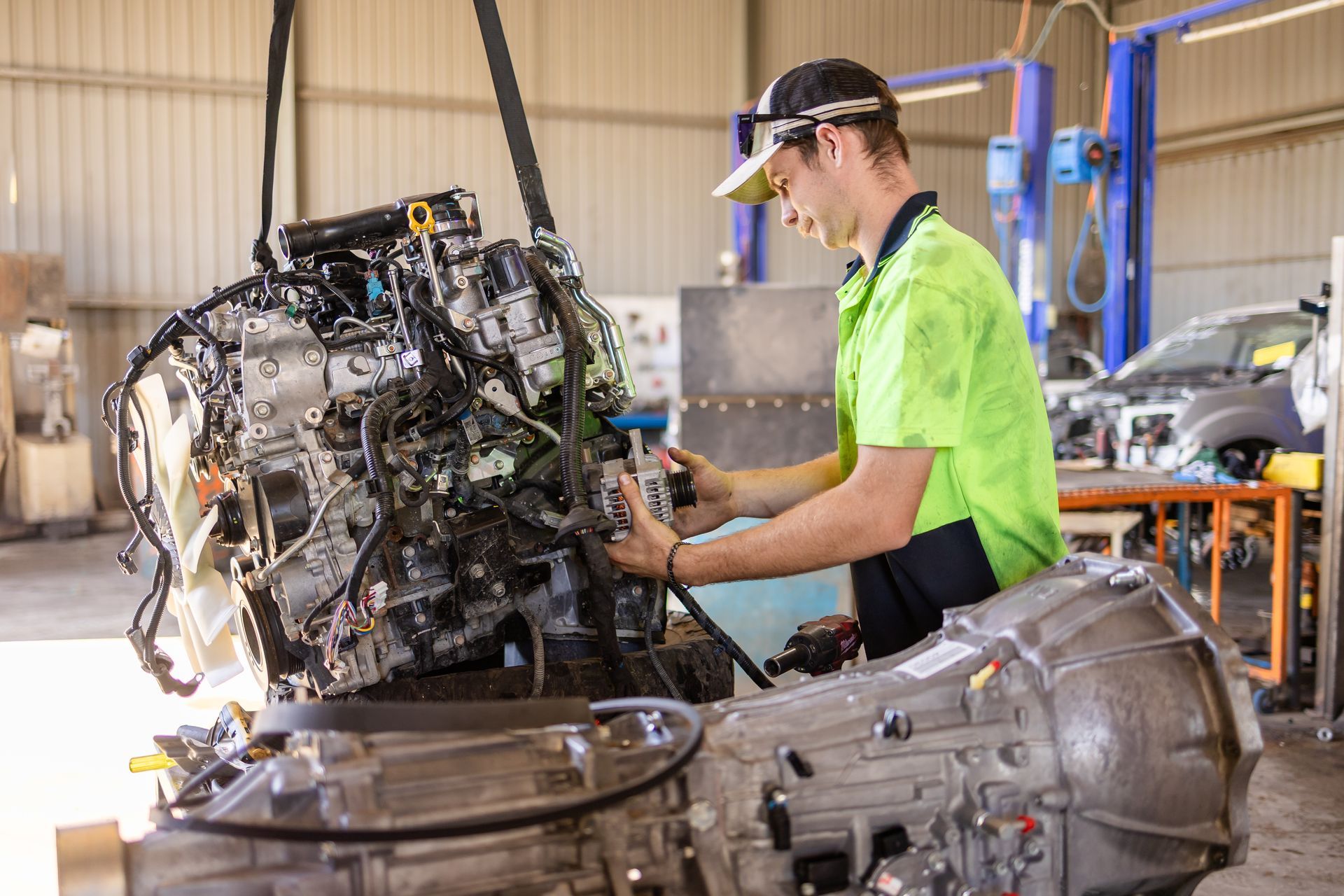
Engine and gearbox mounts can add another layer of confusion. A worn mount may make normal engine vibration feel much more severe inside the cabin, even though the engine itself isn't causing the movement. Check the basics before buying parts. Look at service history, warning lights, when the symptom occurs and whether it started suddenly or gradually. Modern vehicles can also store diagnostic fault codes, so proper diagnosis can save money compared with replacing plugs, coils, filters or sensors one after another hoping the problem disappears.
Why Do Dubbo And Regional Roads Wear Parts Out Faster?
Service intervals provide a useful baseline, but the conditions a vehicle operates in matter just as much as the calendar.
Around Dubbo and central-western NSW, vehicles can spend long periods at highway speed before tackling corrugated, unsealed or dusty roads. Working utes and commercial vehicles may add regular loads, towing and high annual kilometres.
Those conditions can be particularly demanding on:
- Suspension bushes and mounts, which absorb repeated movement and impacts
- Shock absorbers, which continually control suspension movement on uneven surfaces
- Wheel bearings, which work under sustained loads and can be affected by harsh operating conditions
- Air filters, which can collect dust more quickly in dusty environments
- Tyres, which face heat, rough surfaces, impacts and long-distance running
- Steering and driveline components, which deal with repeated vibration, load and movement.
For regional drivers, inspecting a vehicle according to kilometres travelled, workload and road conditions can be more useful than assuming a city-driven vehicle of the same age will wear parts at the same rate. Downtime matters too. A tradie's ute or rural driver's 4WD sitting unusable while a part is sourced can cause a much bigger problem than the component price alone. Once you've matched the symptom to the likely part, sourcing quality auto parts in Dubbo quickly can help keep a developing issue from becoming an avoidable breakdown.
New, Used Or Reconditioned — What Should You Buy For Each Repair?
New isn't automatically necessary for every component, and used isn't appropriate for every repair. The right choice depends on the part, its condition and how safety-critical it is.
New parts are generally the sensible choice for routine wear items and components where you want fresh friction material, rubber or service life. Brake pads, filters, spark plugs, many bushes, radiator hoses and similar consumables typically fall into this category.
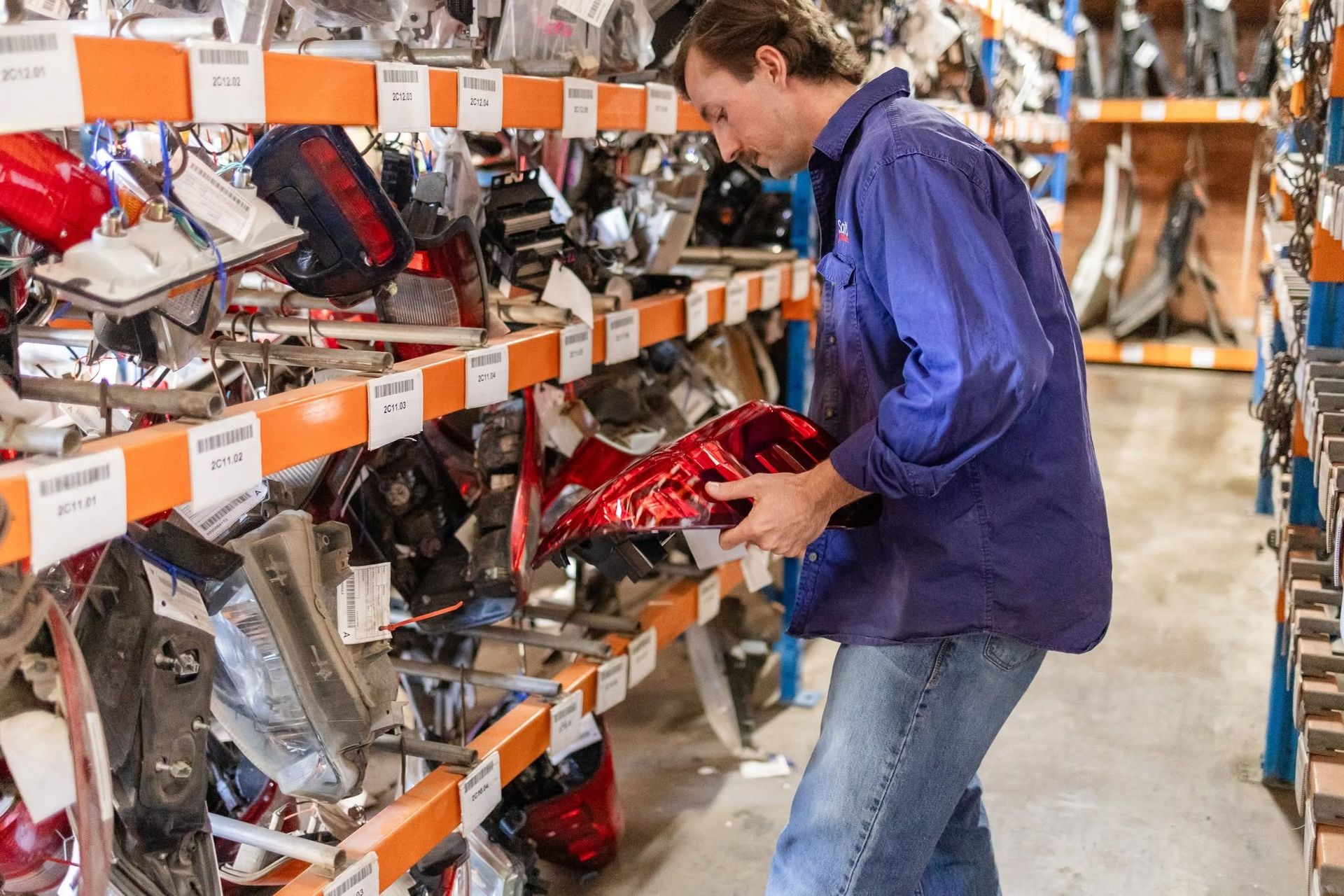
Quality recycled or used parts can make good sense for durable assemblies and hard-to-find components where condition can be properly assessed. Depending on the vehicle and available stock, that can include panels, some suspension assemblies, engine and gearbox components, brackets and other non-consumable parts.
Reconditioned parts can provide a useful middle ground for components or assemblies designed to be rebuilt or restored. The important questions are what work has been carried out, how the component has been checked and what warranty applies.
Scott's 4WD Parts Plus supplies recycled, reconditioned and new components, and its recycled parts are inspected and tested before sale. That gives drivers another option when a brand-new component isn't necessary or when availability matters. The part also needs to be correct for the exact vehicle. Make, model and year are a good start, but build date, engine, transmission, body variant and other specifications can affect compatibility.
If you're enquiring about Auto Parts Dubbo, give Scott's 4WD Parts Plus as much information as possible: your make, model, build year and the symptom you've noticed. Contact our team to check likely part options, availability and price before your vehicle is off the road.
FAQs
Is it safe to keep driving if my car is making a new noise?
It depends on the noise and what is causing it. Grinding brakes, significant steering changes, severe vibration or tyre damage should be treated as urgent safety issues. A minor new noise may not require you to stop immediately, but it should still be investigated before it worsens.
What does a grinding noise when braking usually mean?
Grinding can indicate that brake pad friction material has worn significantly and metal components are making contact. Rotors or other brake components may also be damaged, so the braking system should be inspected promptly rather than simply assuming pads are the only parts required.
When should I replace my suspension?
Inspect the suspension when you notice repeated clunks, excessive bouncing, increased body roll, sagging, uneven tyre wear or a noticeable deterioration in handling. Replacement timing depends on the worn component and how the vehicle is used rather than age alone.
How can I tell if a wheel bearing is failing?
A failing wheel bearing can produce a hum, drone or growl that changes with road speed and sometimes with cornering load. Tyres can create similar sounds, however, so the bearing should be properly checked before you order a replacement.
Should I buy new or recycled car parts?
It depends on the component. Consumable and friction items are generally better purchased new, while properly inspected recycled parts can be a practical option for many durable assemblies and hard-to-source components. Reconditioned parts can also suit components designed to be rebuilt.
What information should I provide when asking for a replacement part?
Have your vehicle's make, model, build year and, where possible, engine and transmission details ready. Also describe the symptom and the component you're looking for; accurate vehicle information helps a parts supplier check compatibility before you buy.