How To Source Rare & Hard-To-Find Auto Parts In Dubbo
Been told a part for your vehicle is "no longer available"? In most cases, that's not actually true — it just means the person who told you that has stopped looking. Discontinued, obsolete and hard-to-find parts get located every day through dismantling networks, want-lists and interstate supplier connections, and finding auto parts in Dubbo for an older, imported or uncommon vehicle is very often a matter of knowing where to look, not whether the part still exists.
Can You Still Get Parts for a Discontinued or Older Vehicle? (The Short Answer)
Yes, in the vast majority of cases. A dealership or generic parts counter working from current stock lists will tell you a part is discontinued the moment it drops off the manufacturer's active catalogue. That's not the same as the part being genuinely unobtainable — it just means it's moved into a different sourcing category: recycled from a donor vehicle, sourced through an interstate parts network, or tracked down as new-old-stock (NOS) still sitting in a warehouse somewhere.
Sourcing a discontinued component is exactly where a well-connected supplier of auto parts in Dubbo earns its keep, since it comes down to networks and processes most generic parts counters simply don't have set up.
Where Do Rare and Hard-to-Find Auto Parts Actually Come From?
There are really three sources for a part that's no longer in general circulation, and each has its place.
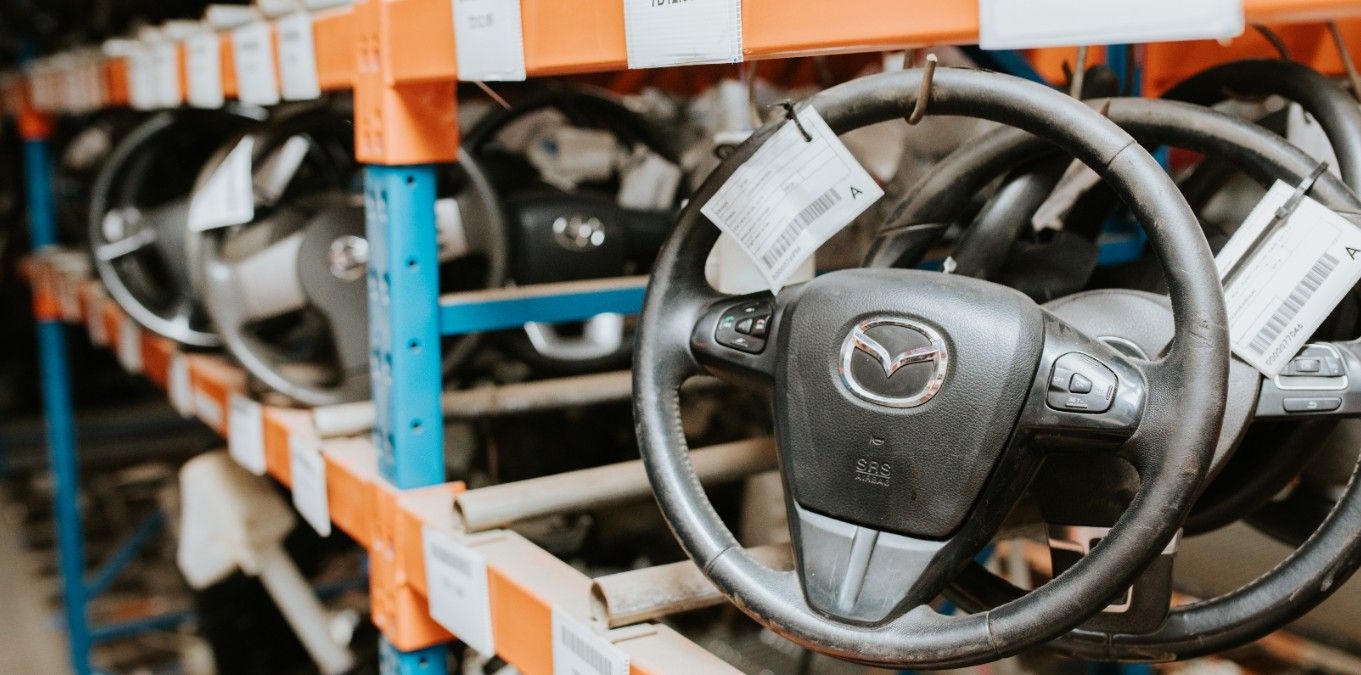
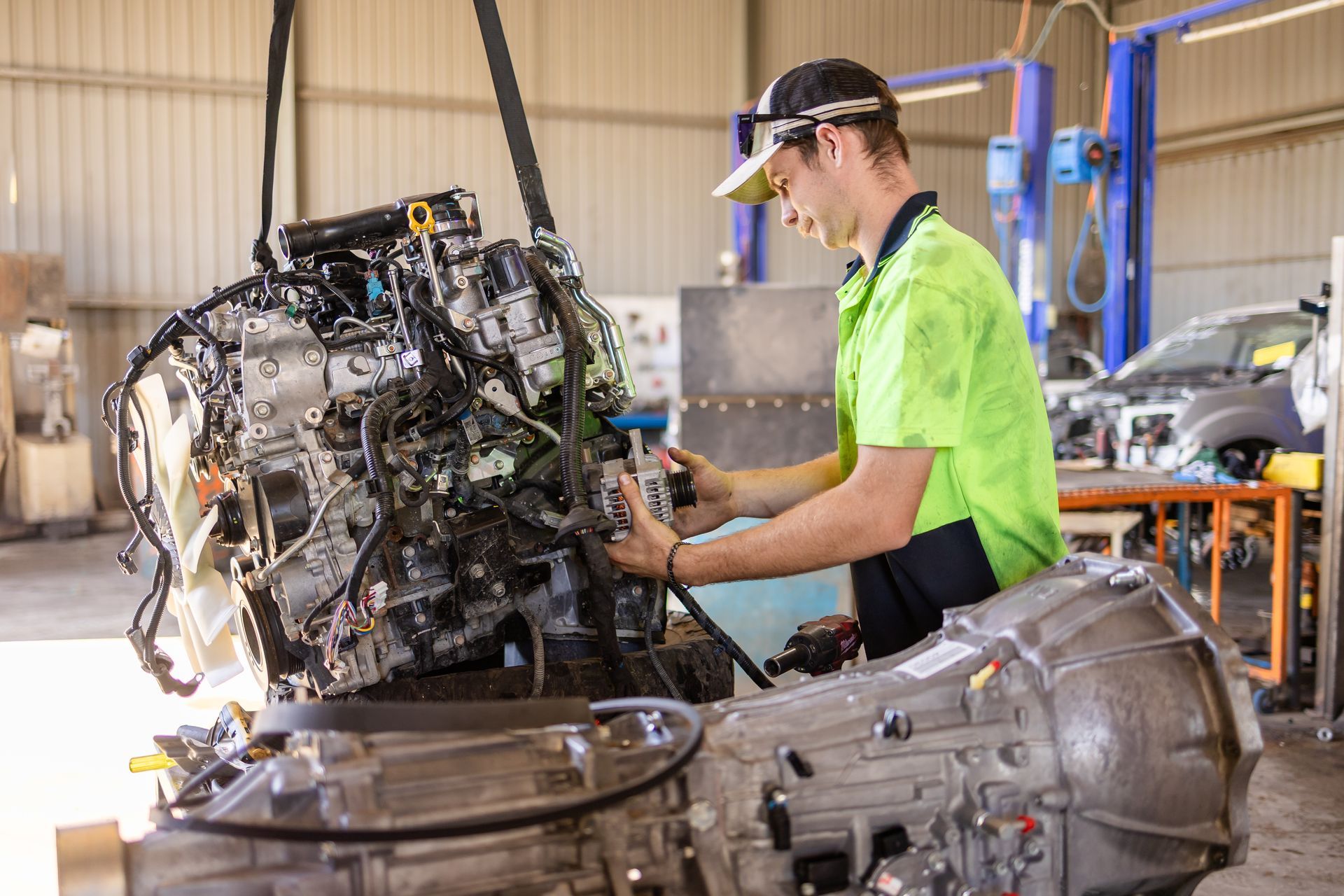
- Donor vehicles. When an older or written-off vehicle comes into a dismantling yard, every usable component — engines, transmissions, body panels, interior trim, wiring looms and electrical components — is recovered, tested and added to stock. For a lot of discontinued parts, a donor vehicle arriving in the yard is genuinely the fastest route to a component the dealer has already written off. Many rare components come back into circulation through a donor vehicle — see
how parts are recovered through dismantling, tested and cleaned before resale.
- Interstate and network sourcing. Established parts suppliers maintain relationships with other dismantlers and parts locators across the country. If a part isn't sitting in local stock, a locate request goes out through this network to track it down elsewhere.
- New-old-stock (NOS). Occasionally, unused original parts still exist in a warehouse or dealer stockroom somewhere, never sold when the vehicle was current. These are typically priced at a premium and can take longer to locate, since they depend on someone still holding stock rather than an active supply chain.
How Do You Confirm a Rare Part Will Fit Your Vehicle?
This is where a lot of DIY sourcing goes wrong. Visual similarity is the number one cause of wrong-part returns — two components can look nearly identical while being genuinely incompatible due to a running change mid-production, a regional spec difference, or an engine/transmission variant.
Getting it right relies on matching your vehicle's VIN and build date against the specific casting or part number stamped on the component itself, not just the make, model and year. A reputable supplier will cross-check these details before a part ships, rather than relying on a general listing description. This step matters even more for older or imported vehicles, where spec variations between production runs are far more common than buyers expect.
Used, Reconditioned or New-Old-Stock: Which Is the Smarter Buy?
There's no single right answer here — it depends on the part.
- Recycled/used parts are a genuinely smart buy for components with a long service life and low failure risk once installed correctly — body panels, trim, glass, and many mechanical assemblies that don't wear down through normal use.
- Reconditioned parts make sense for components that do wear but can be rebuilt to a reliable standard — alternators, starter motors, some transmission and engine assemblies — offering a middle ground between cost and confidence. Before paying a premium for new-old-stock, it's worth working out
whether a reconditioned part is worth buying
for your specific build year.
- New-old-stock commands a premium and is worth chasing for parts where originality matters, such as a restoration project, or where no reasonable used or reconditioned alternative exists.
Being honest about the trade-off: safety-critical wear items and anything with a genuinely short service life — brake components, certain rubber and sealing parts, some electrical items — are usually better bought new rather than used, regardless of how good a used unit looks. A trustworthy supplier will tell you when that's the case, rather than selling you whatever's on the shelf.
How Long Does It Take to Source a Hard-to-Find Part in Regional NSW?
Timelines vary depending on how rare the part genuinely is. Some components are already sitting in stock from prior dismantling work and can go out same day. An interstate locate through an established supplier network typically runs days rather than weeks. A genuinely obsolete item, with no current stock anywhere in the network, may sit on a want-list until a suitable donor vehicle comes in — which could be a shorter or longer wait depending on how common that donor vehicle is.
This matters more in regional areas like Dubbo and central-western NSW than it does in a capital city. Distance from metro dismantlers adds freight legs and time to any part that isn't already local, and for a tradie or farmer whose ute is off the road, every extra day of downtime has a real cost. Working with a supplier who already holds regional stock, rather than one relying entirely on metro freight, genuinely shortens that wait.
What to Send Us So We Can Find Your Part Faster
To get an accurate sourcing answer rather than a guess, it helps to provide:
- Your vehicle's make, model and build year
- The VIN, where available
- The specific part needed, and any casting or part number visible on the old component
- Photos of the part or the area it fits, if you have them
Our on-site vehicle dismantling means hard-to-find parts are often already on the shelf before you ask, and with over a million parts in stock as Australia's first Certified Auto Parts Recycler, there's a genuine chance your part is already sitting in our system.
Get a Real Sourcing Answer, Not a "No Longer Available"
If you've been told a part for your vehicle is discontinued, that's usually the start of the sourcing process, not the end of it. Send us your VIN, build details and the part you need, and our team will tell you honestly whether it's on the shelf, locatable through our network, or worth putting on a want-list — rather than leaving you stuck on a generic parts counter's "unavailable" answer. Scott's 4WD Parts Plus has been finding auto parts in Dubbo and across central-western NSW for over 75 years, and locating the hard-to-find is exactly the kind of job we're built for.
FAQs
Where can I find discontinued car parts in regional NSW?
Discontinued parts are typically sourced through dismantling yards recovering components from donor vehicles, interstate parts-locator networks, or new-old-stock still held in warehouses. A supplier with an established regional dismantling operation and network connections is generally your best starting point.
Can you get parts for old or imported cars?
In most cases, yes, particularly through a dismantler with a broad donor vehicle intake and supplier network. Imported and less common vehicles can take longer to source, since spec variations mean part matching needs extra care.
Is a used part as good as a new one for an older car?
For many components — body panels, trim, and mechanical assemblies with a long service life — a quality used or reconditioned part is a genuinely smart buy. Safety-critical wear items are usually better bought new, regardless of vehicle age.
How do I know a used or rare part will actually fit my vehicle?
Matching your VIN and build date against the specific casting or part number on the component is the reliable way to confirm fitment, since visual similarity alone is the most common cause of a wrong-part order.
How long does it typically take to source a rare or discontinued part?
Some parts are available same day from existing stock. An interstate locate typically takes days rather than weeks. A genuinely obsolete part may need to wait for a suitable donor vehicle to come into the yard.